Building trust between doctors and patients through mixed reality collaboration
How might we rebuild trust between doctors and patients through shared visualization and understanding?
Context
The concept of surgery is already terrifying enough, and just one medical horror story is enough to deter many of us from seeking critical medical care. The most impactful stressor is the lack of understanding and trust between doctors and patients. We wanted to create a platform that could help bridge this gap by providing a shared understanding of the procedure and its implications.
So, we built Dr. Trust, a collaborative mixed reality platform designed to facilitate difficult medical conversations through 3D visualizations.
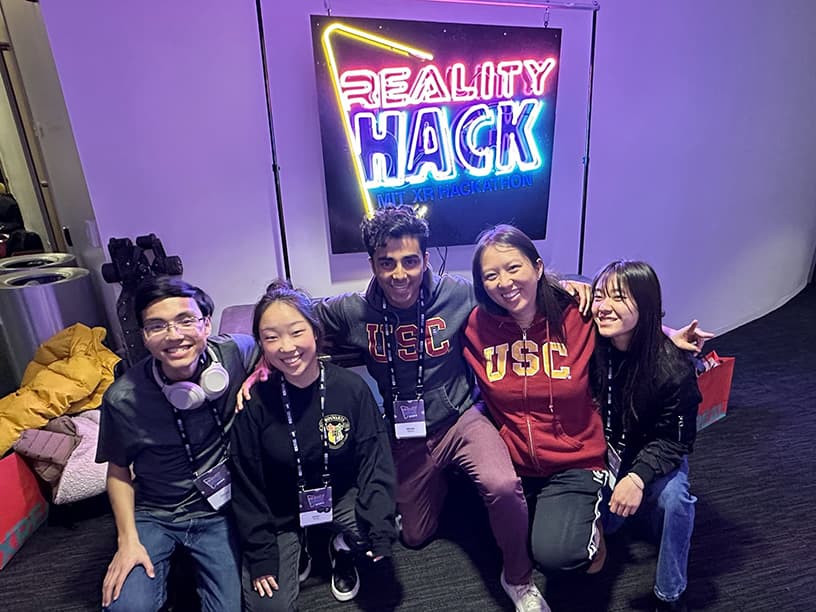
Created at MIT Reality Hack 2024, our team envisioned a more transparent relationship between doctors and patients, bridging fear and misunderstanding through immersive technology.
Research
Most AR/VR medical tools today are built for professionals, not patients. Yet, research shows that when patients receive clear, visual information about their treatment, it can reduce anxiety and increase trust in their doctors. Online, thousands share medical horror stories that reinforce fear and avoidance of care, further exacerbating the lack of trust.
Process
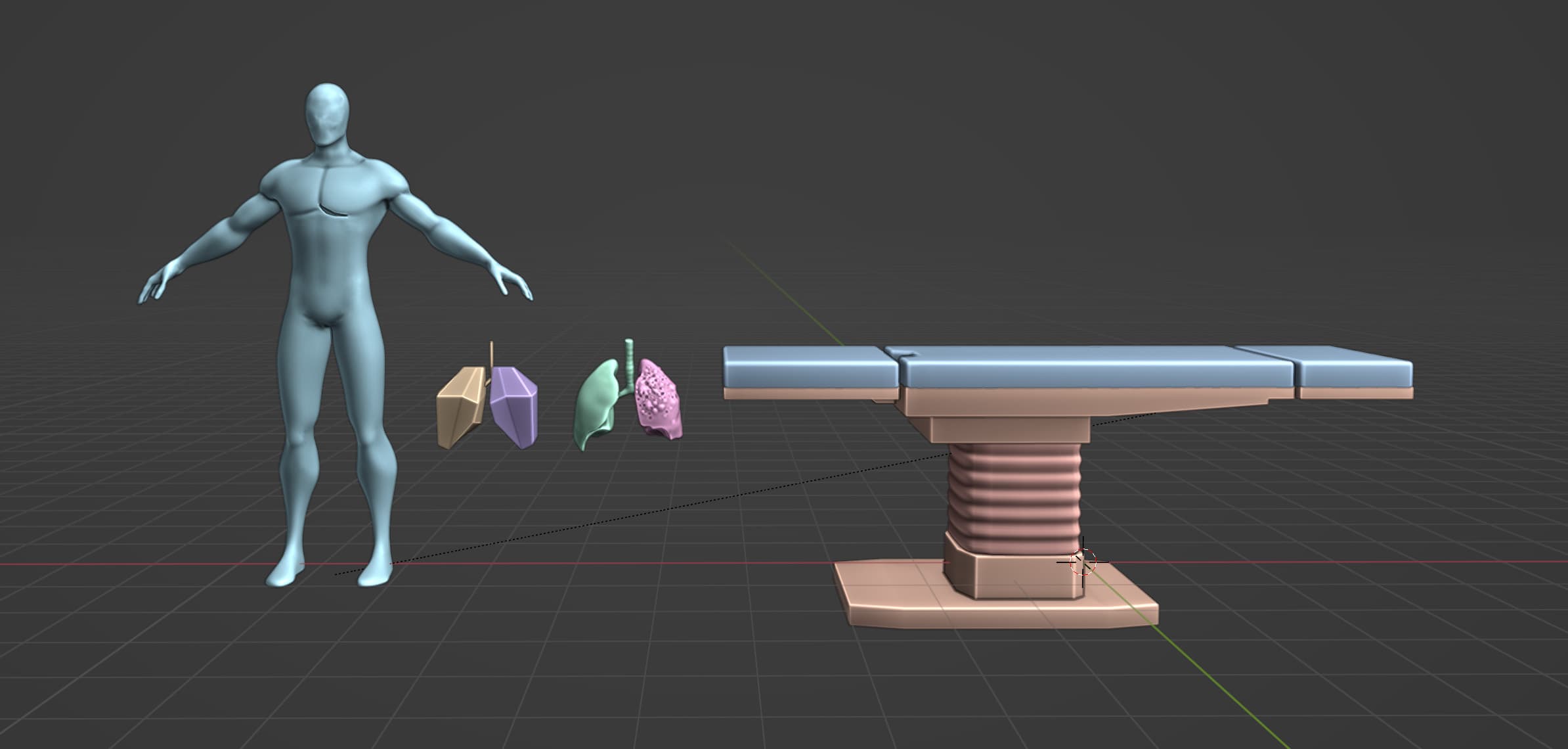
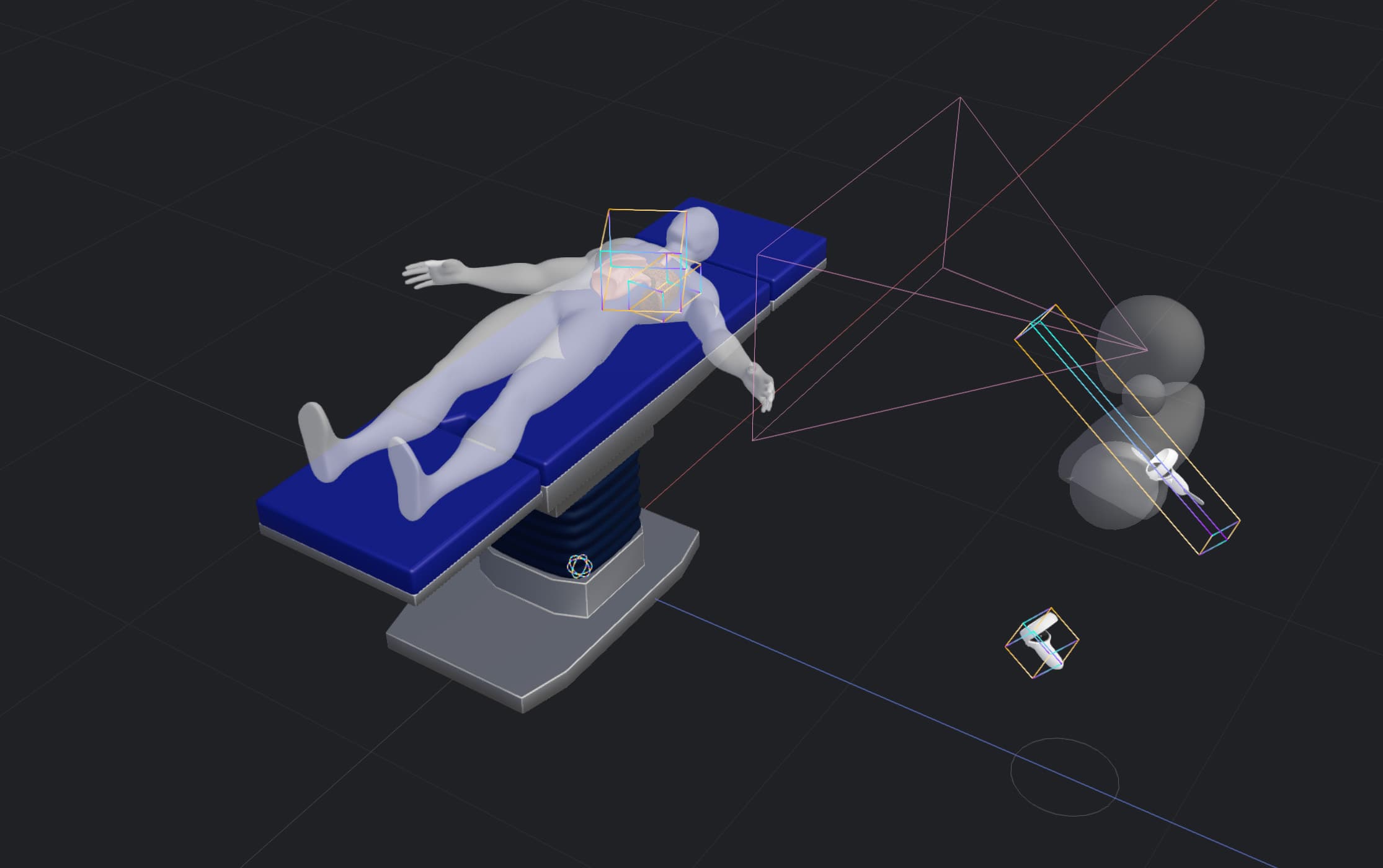
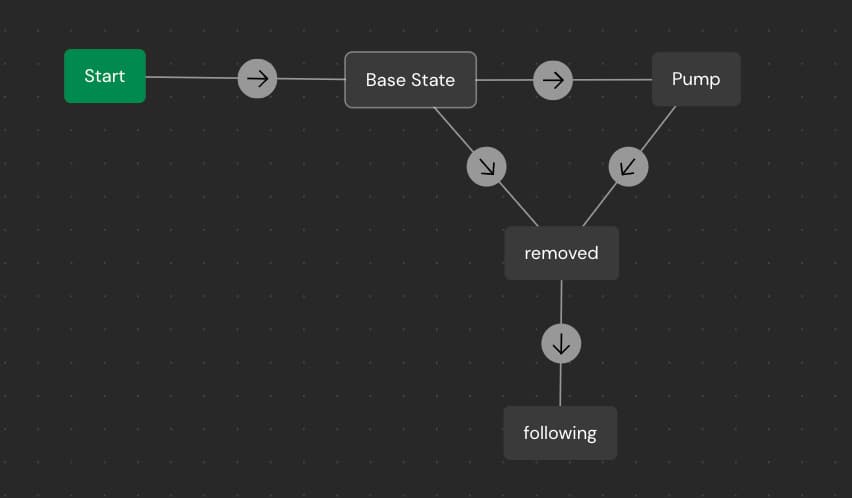
I led the creation of the 3D visualizations, modeling and texturing assets in Blender, then importing them into Bezi to prototype spatial interactions and transitions. The workflow allowed our team to rapidly test how doctors and patients might explore anatomy together in real time.
Results
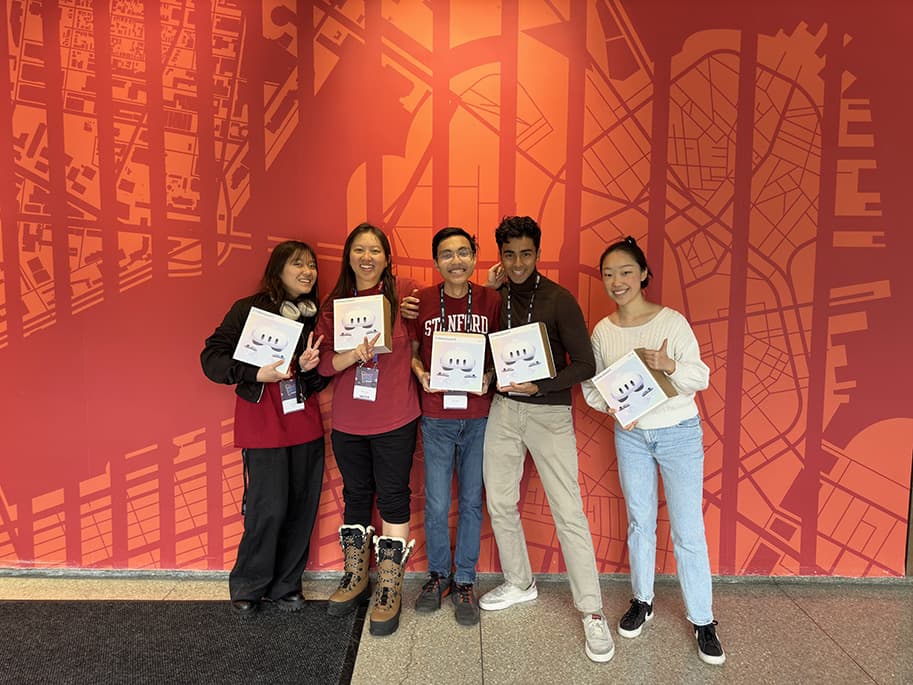
Our vision to bring AR/VR medical tools to the patient level led us to win the prize for the Best Use of Bezi.
Reflections
Things don’t always go as planned
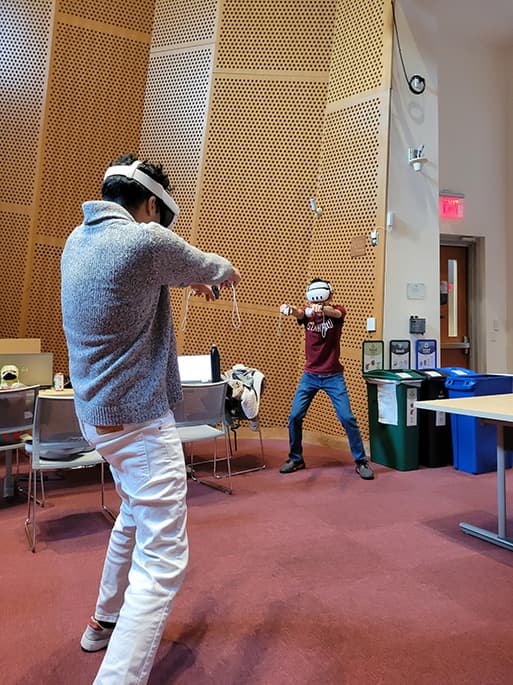
Even after setting up real-time collaboration, our demo lagged badly during judging due to Wi-Fi congestion. Still, we adapted quickly — some teammates handled headset maintenance while others pitched, and I acted as the bridge of communication between both sides to keep things running.
Don’t be afraid to explore new tools
This was my first experience with Bezi, a beta spatial design tool. Debugging unexpected behaviors and finding workarounds to early-stage bugs was challenging but rewarding.
Huge thanks to Julian Park and Daniel Marqusee for helping us troubleshoot and refine our workflow!
It’s all about the people
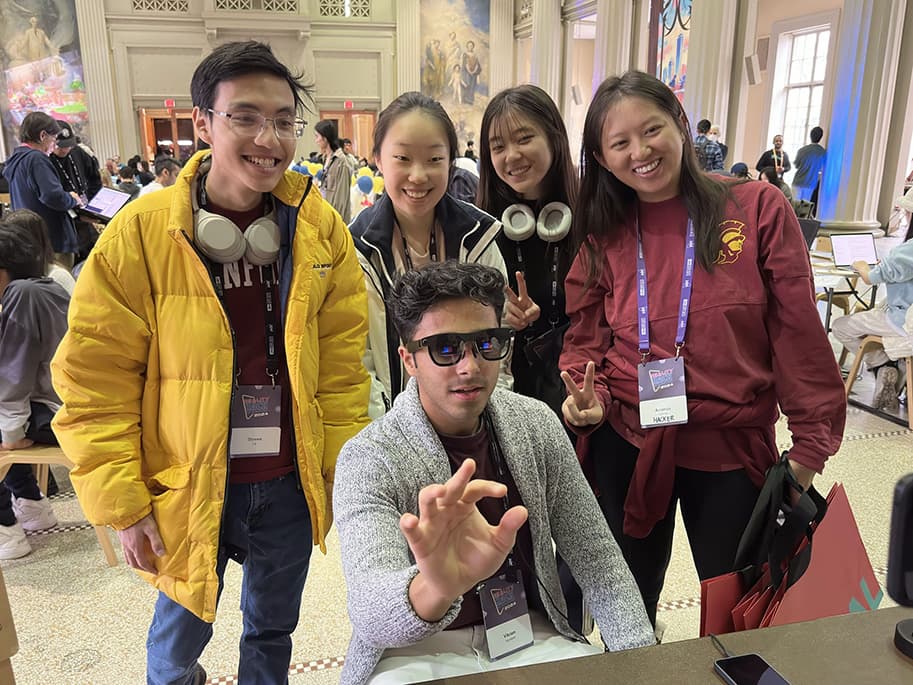
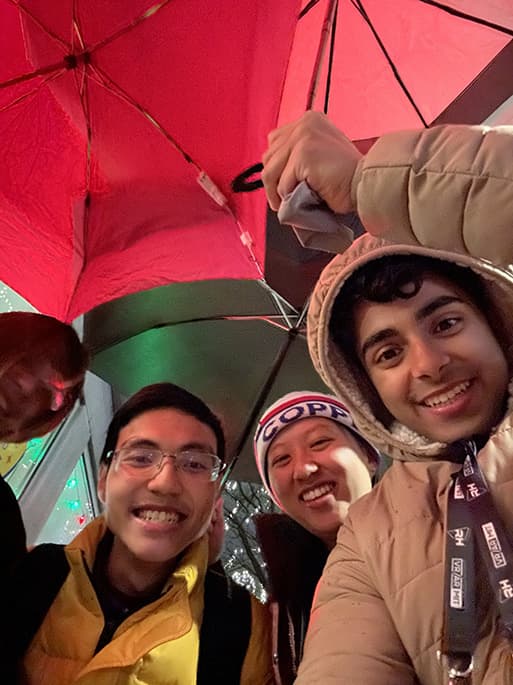
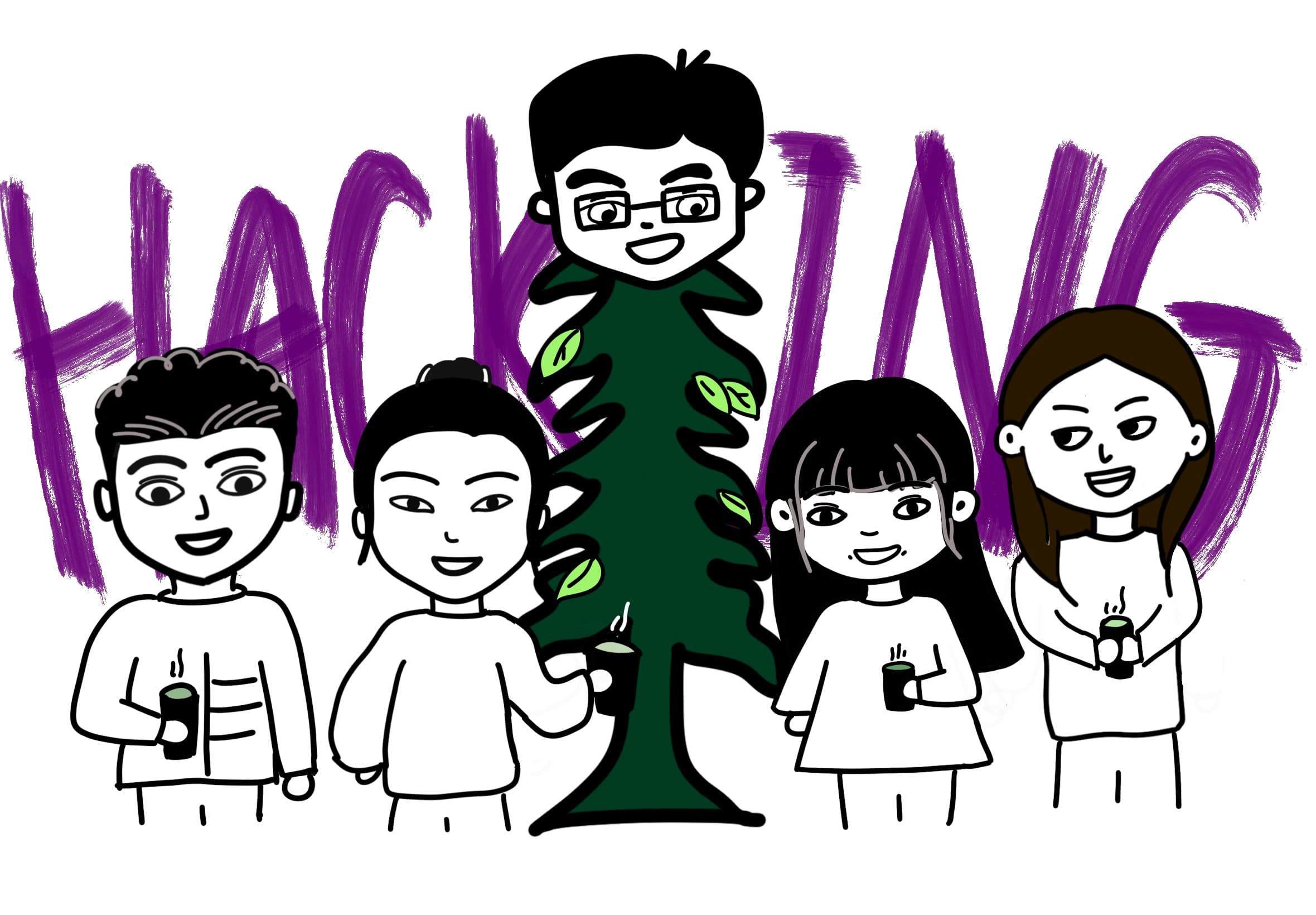
Despite the stress, this hackathon was pure joy. Working with “4 Trojans + 1 Tree” reminded me that the best projects come from curiosity and enthusiasm.
In just five days, we went from strangers to lifelong friends, and even through the late nights and debugging marathons, it never felt like work, just fun.